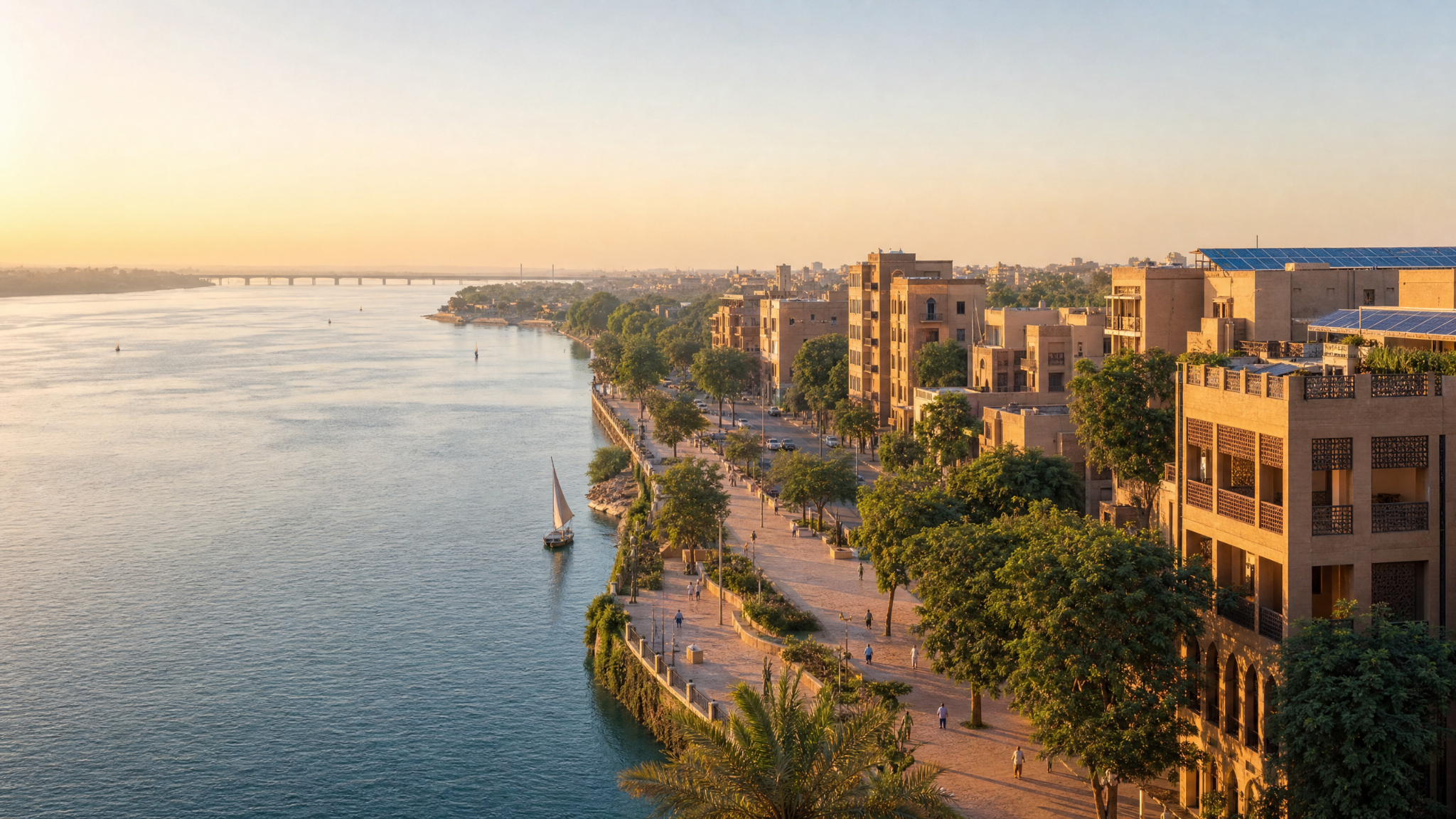
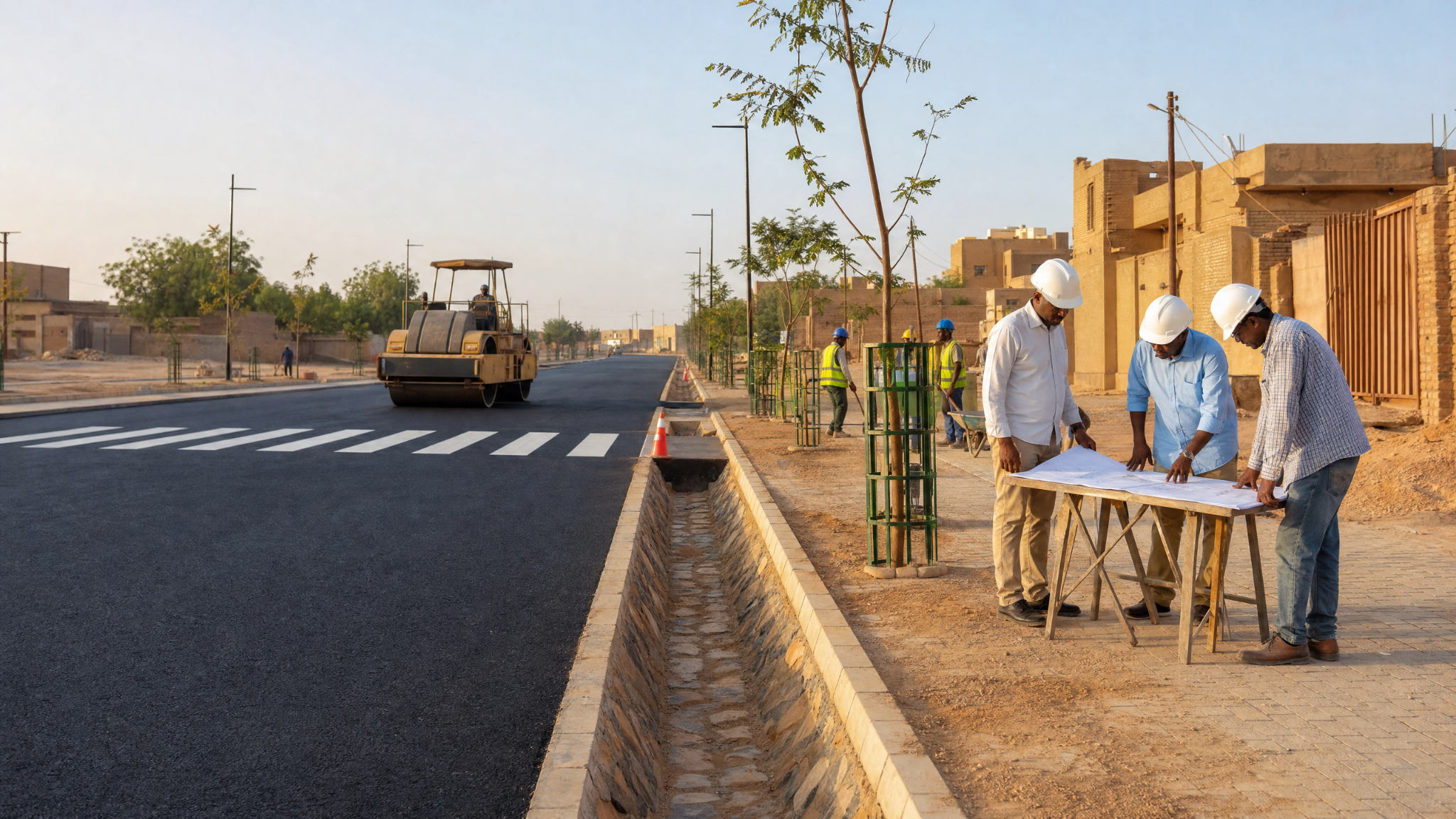
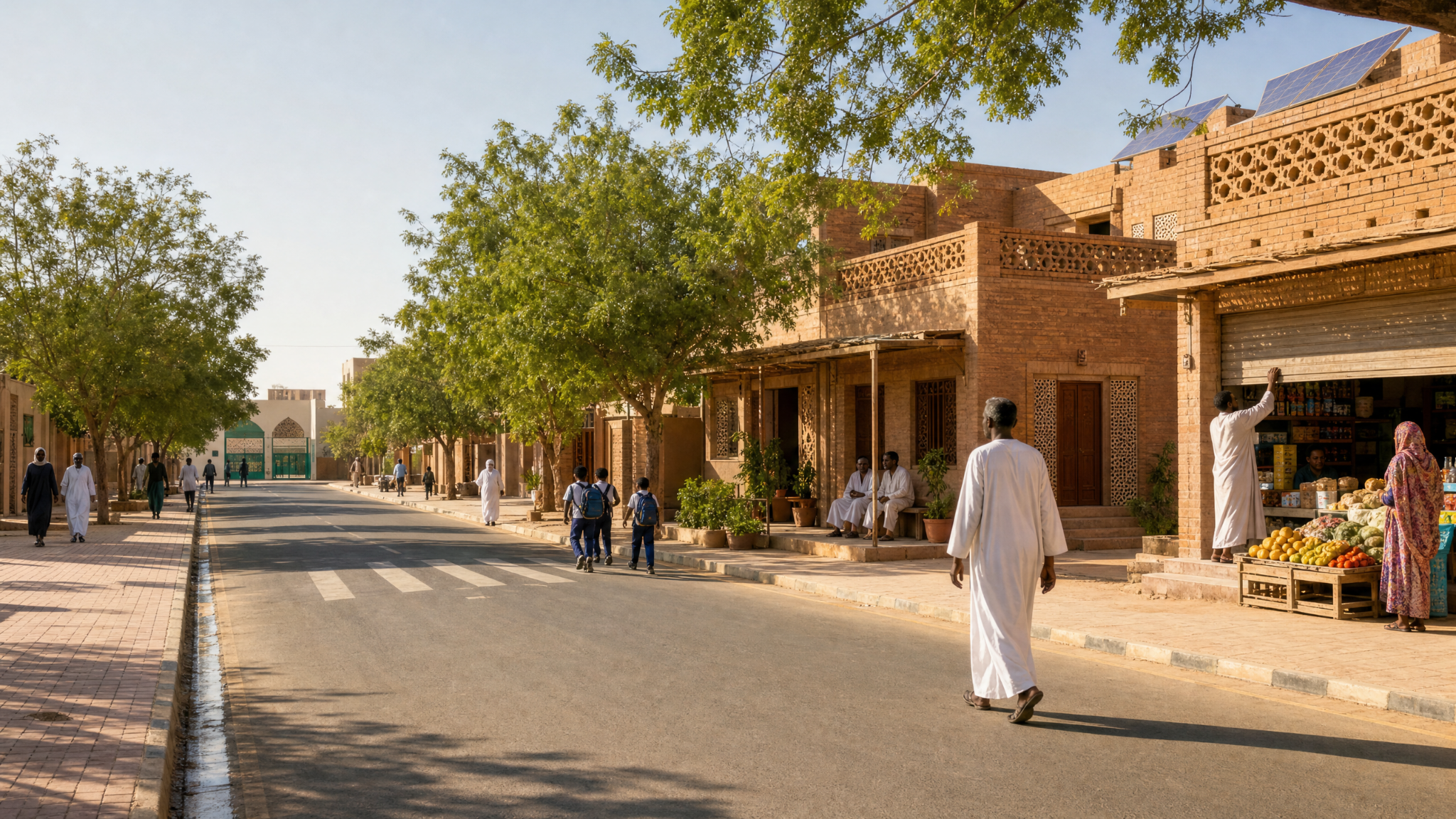
A street that connects us. A home with dependable power. A school that opens a future. Bring your idea, find people who care, and help work out the next practical step.
These images are separate imagined scenes, not before-and-after photographs or evidence of a construction project.
AI CONCEPT · IMAGINED CONSTRUCTION
The work starts with people.
A locally chosen street. Surveys, drainage and a realistic design. Paid local trades, suitable equipment and independent inspections before a road is handed over.
Homes, traders and children need more than new asphalt. Consider safe walking, accessible entrances, shade, water, reliable power and an affordable maintenance plan.
Agree the need with residents, traders and people who are often left out. Identify a local contact without publishing private details.
02
Make the idea assessable
Establish consent, rights, current site conditions and safe access. Commission qualified surveys and compare repair with rebuilding.
03
Publish a plan people can question
Show drawings, quantities, quotes, responsibilities and upkeep. Match skills and equipment to the assessed scope.
04
Deliver, inspect and keep the record
Fund only through an approved route. Publish milestones, redacted invoices, fees and changes; hand over training and maintenance.
Community support helps identify interest. A vote does not approve a design, unlock funding or replace local consent and technical review.
THE COMMUNITY IDEA BOARD
Which idea can you help move forward?
Public concept listings for discussion and assessment. Open an idea to see its needs, drawings and ways to contribute. Listing approval is not construction approval.
A community-led concept for courtyard homes, reliable essential services, rooftop solar and shared neighbourhood spaces. Start with local consent, site selection and one assessed demonstration home before considering a larger pilot.
Assess a damaged building frontage and its pavement with occupants and local specialists, before pricing structural, facade and pedestrian-access repairs.
Explore an existing multi-storey building retrofit through owner and occupant agreement, roof and load assessments, qualified solar design and maintained shared services.
Project proposals, ideas and social links are linked to your account and reviewed before publication. Contact details stay private. Follow the review in My account.
LEARN FROM WORK ALREADY HAPPENING.
A practical rebuilding library.
Sudan-specific reading from original publishers. Source summaries are separate from our planning suggestions. These are independent resources, not Build Sudan partners, funding offers or site approvals.
UNDP Sudan · 11 August 2026Planning
Community recovery, with livelihoods at its centre.
REVIVE II links water infrastructure, local recovery planning, skills and employment. The announcement describes planned activities rather than completed results.
A planning takeaway · Build Sudan editorial
Plan a useful service and local employment together. Agree who operates it after construction.
UNICEF describes solar-powered water systems in Almagazeeb and Algadisya, River Nile State, and how nearby water supports families and children’s learning.
A planning takeaway · Build Sudan editorial
Include water testing, storage, an accessible collection point, spare parts and a trained operator in the project brief.
UNDP’s solar value-chain study highlights quality, trained technicians, affordability and import constraints affecting households, farms and small businesses in Sudan.
A planning takeaway · Build Sudan editorial
Measure essential loads first. Budget installation, protection, warranties, replacements and local maintenance alongside equipment.
A school is a learning service, not only a building.
The BRIDGES announcement combines reopening schools with learning materials, furniture, teacher support and education planning. Its programme targets are not reported outcomes.
A planning takeaway · Build Sudan editorial
Agree teacher support, inclusive access, sanitation, safeguarding and running costs before commissioning a school design.
NRC’s Sudan report explains why unresolved housing, land and property issues can obstruct recovery, and calls for these rights to be considered throughout rebuilding.
A planning takeaway · Build Sudan editorial
Confirm lawful rights, consent and a fair way to resolve disputes. Include displaced residents in consultation through qualified local advisers.
UNMAS reports explosive hazards in returning communities, including central Khartoum and a bridge rehabilitation site. Qualified surveys and clearance support safe recovery.
A planning takeaway · Build Sudan editorial
Do not organise volunteer rubble removal or excavation on an unassessed site. Arrange qualified hazard assessment; never handle suspected explosive items.
Sources checked 26 October 2026. Publication dates are shown; programmes and access conditions can change. Use a qualified local team for current site decisions.
Share a neighbourhood priority, a useful original video, a design question or a lesson from a real initiative. Credit the creator and keep private contact details out of public posts.